Once we got to Bolivia after our Puerto Maldonado captivity story, everything seemed easy!
We took a bus from Chivé, the small village we arrived at, to the the nearest big town, Cobija, in order to regularize our situation with a Bolivian entry stamp.
 |
| Chivé city centre |
On the bus ride the first thing that caught my eye has been the lack of trees. I had the idea of a track surrounded by deep jungle, home to all sorts of dangerous animals (Jaguars, boas, anacondas) but even if there was some trees most of the landscape was remains of trees and fields.
Cobija is a border town situated at the frontier with Peru Bolivia and Brazil. There is not much to do there, so we just stayed a couple of nights before heading east to Riberalta, another Bolivian amazon city.
The bus ride from Cobija was long and cahotic, 450km of dirt track. The rivers crossing of Madre de Dios and Benni have been well-liked opportunities to stretch our legs. Once again the predominant thought on this bus ride was the deforestation of the Amazon Bassin. Apart from the Peruvian national reserve we passed through, most of the jungle had been cut and this quite far from the road, sometimes for as far as eye can see.
Our stop in Riberalta has been very pleasant. A nice "clean" town with a big main square and a beautiful river view giving to the place a sort of harbour city feel.
Even if we were the only tourists there it seemed that the local government had tried hard to develop tourism: brochures, a tourist office that must see a tourist every two weeks some touristics signs in the streets, weird...
One thing that stroke us since we had arrived in Bolivia was how erroneous the cliché on its people was. From the begining people were friendly, didn't try to scam us or rob us. This was maybe due to the fact that when most people think of Bolivia they think of the Altiplano, maybe people are different there, anyway it has only been positive so far. I even received, as a leaving present from Riberalta, an orange juice from a secret admirer in the street ;) .
 |
| Sugar Cane Juice |
The next stop was Rurrenabaque, a popular jungle location, access to the Madidi park and the Pampa renown for its animal watching.
The journey was another 500km of dirt track through the amazon bassin!
 |
| Ready for the race! |
 |
| The Amazon beast |
This bus ride has been the most intense one we've had so far even if it only consisted in one long straight line.. Impossible to sleep for the whole length as we were literraly jumping at the rear of the bus. On the other hand we had once again all the leisure to observe the amazon bassin that looked more like African savanna at our mean speed of 30km/h.
 |
| Only 400km more to go... |
 |
| The Amazon Jungle! |
 |
| Start of a very long night |
Finally we arrived in Rurrenabaque at sunrise in a very weird state. Luckily we found a really nice place to stay (Tuki I warmly recommend it if you go there) where we managed to start our night.
Rurrenabaque seemed very cool, for the little we had seen in the morning. A mix between small mountains, deep vegetation and a river.
 |
| Our street in Rurre |
We stayed for about four days in Rurrenabaque without doing much. It is one of these places that swallows you for a bit, maybe for a few years if you are not careful enough! (we've met some examples)
The life was easy between hammocks market, fruit salads, beers, pool games at the moskito bar with the friendly owner and the traditional cybercafe time (especially for Geo). We tasted a really good traditional fish cooked in banana leaves, a delight!
 |
| Life in Rurre... |
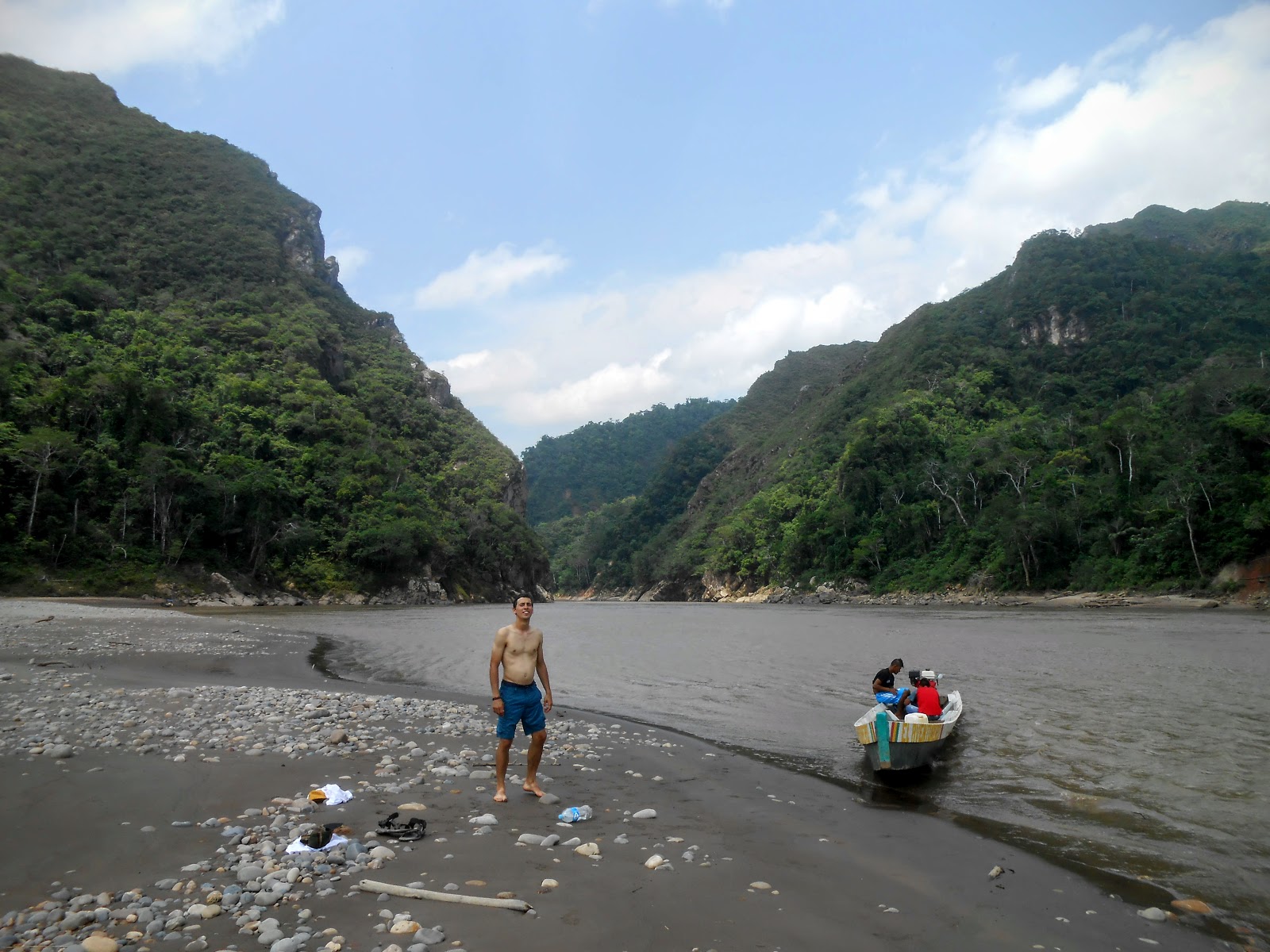
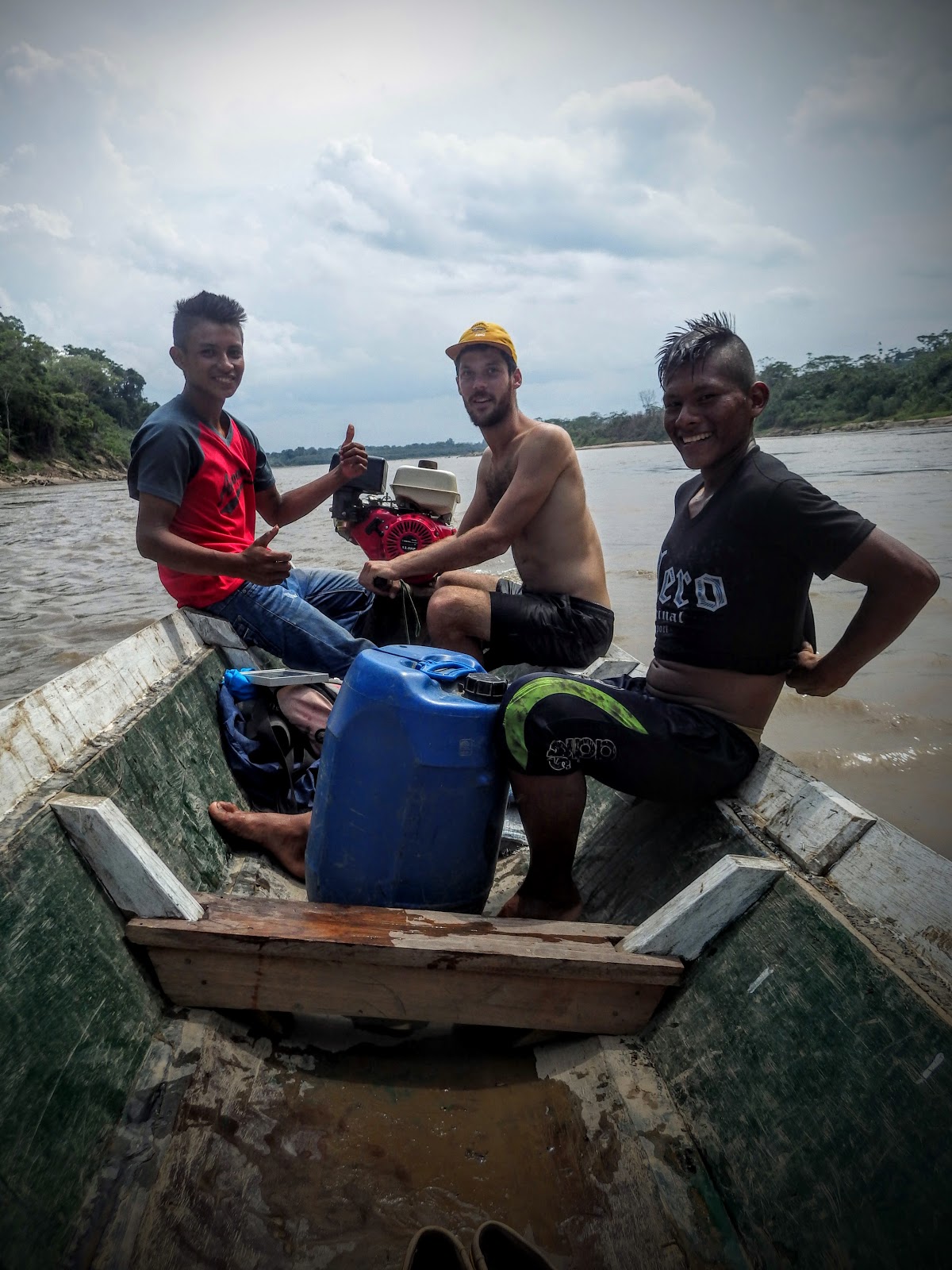
As I mentionned before, Rurrenabaque is known to be the gateway for Jungle experiences in Bolivia, but we decided not too go as it would necessarly involve a tour that we couldn't really afford. We decided though to go upstream of the river with some kids in order to have a quick view of the Madidi park.
 |
| I am the captain! |
On the way back we made a stop in an old abandonned hotel complex in the Jungle home to buterflies now. Beautiful and would make a perfect place for a rave!
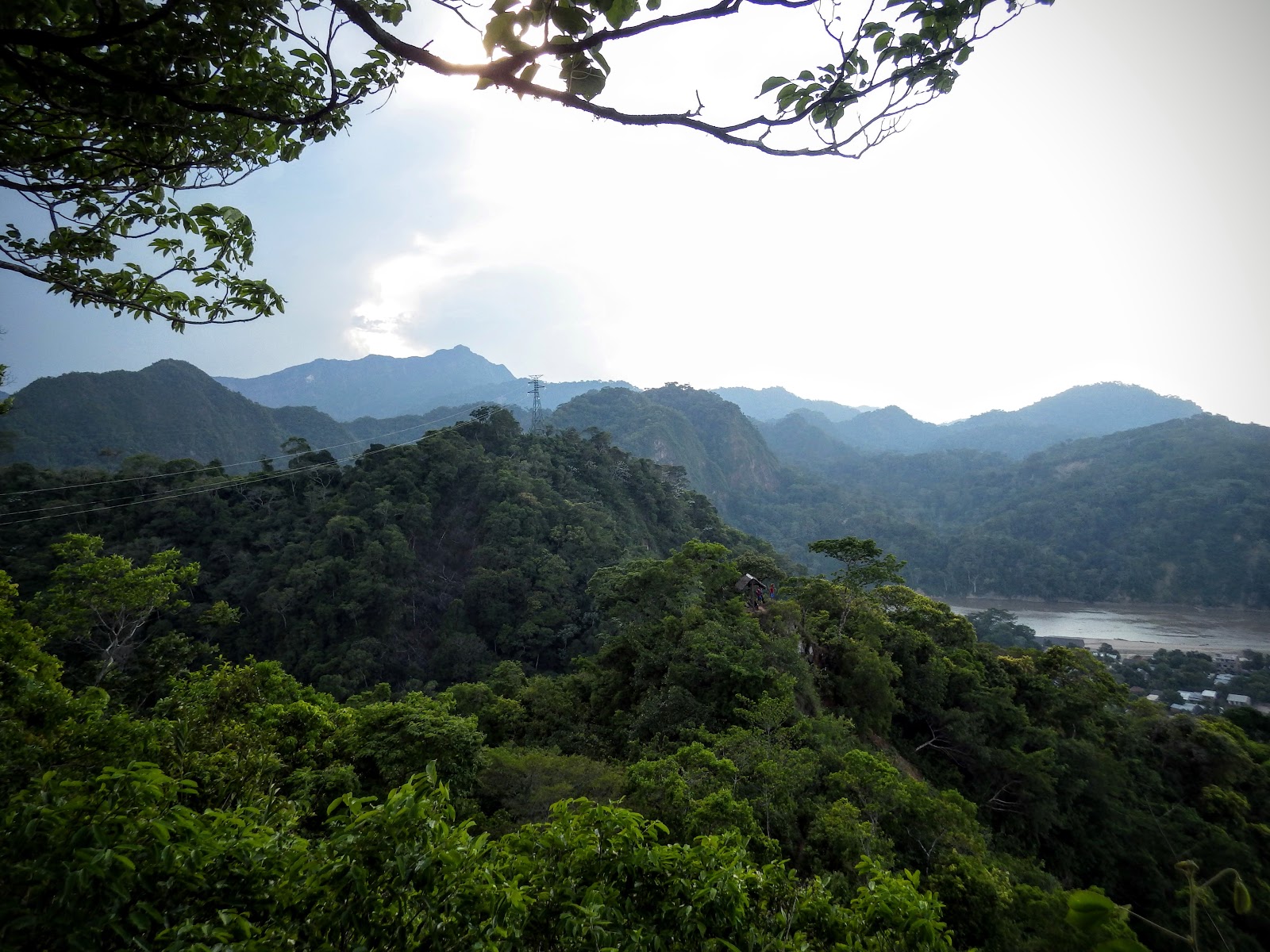
To conclude our stay in Rurre we dragged ourselves to the mirrador where we enjoyed a view of the amazon bassin and mountains.
There was stopping our passage in the amazon bassin. We definitely left with a strong will to come back and experience the jungle for real. But I think that an experience of this type would require more than a couple of days and we are on a paragliding trip after all! The sure thing is that the earlier the better to visit this part of the world as human activity has already swalloed big chunks of what used to be a jungle.
The next road section to Coroico (mounatins and paragliding) was quite impressive as it is what is most comonly known as the death road. But somehow we had a more comfortable journey than the previous 500km straight line.
 |
| The world's famous death road of Bolivia |
 |
| May god be with us |
Bonus Pics:
 |
| LOST |
 |
| LOST as well |