lundi 14 septembre 2015

Canoa: Back to the pacific

Coming down from the Andes to the Pacific coast was quite a shock. In 2 hours time the bus took us from the arid andean plateau through cloud forest all the way down to the hot and humid valley. This was for the landscape, but the same was also true for the people diversity. It was really like enterring a whole new country. In fact Ecuador is very much defined by this peole and landscape mosaic that is very rich in spite of its small size.

The village of Canoa attracted us not only for the cheap cocktails and delicious "ceviche de camarones" but also because it has a flying spot overlooking the pacific ocean. We enjoyed a nice soaring flight along the coast with the many soaring birds.

Hiking to take off

Playing over the ocean


The Galapagos are not that far

The ridge


Canoa
Beach Landing

For the next few days we found a couch surfing opportunity in a magical place situated a bit further north along the coast. The place located in the middle of nature and overlooking pristine beaches was owned by Mauro an Ecuadorian guy from Quito that came to the coast to develop an eco-lodge project. The lodge was still in construction and therefore there was no water nor electricity yet which was pretty nice to fully disconect from the backpacker atmosphere.

View from the lodge
The lodge structure, entirely in bamboo, was super impressive.
One of the buildings
Breakfast
Mauro was keen for us to assess the potential for a paragliding site around his place. But the terrain and vegetation seemed to be too complex to get it to work.

View from the potential take off
Our days at Mauro's were pretty quiet, we helped Mauro with the garden and went for some swims and nice strolls along the beach.


The only population on this beach was a little fishermen village. There the life was definitely going at a very slow pace between fishing and hamoc time.
We've been surprised to find a school in this tiny village. Alba a Spanish girl working there as a teacher invited us for a visit. It hapenned to be an independent school which concept is to teach the children with situations of their daily lives. For example learn about the species around them, calculate the time of the tide or doing some cooking lessons. The school architecture was really cool with most of the rooms directly openned to the sea. The library section was also very impressive with a ton of books on many different subjects.

One of the school buildings
Inside the school
Thanks to Mauro for his hospitality!


Bonus Pics:
Helping in the garden


vendredi 11 septembre 2015

Quilotoa Loop

Next stop was the Quilotoa loop, a serie of pretty remote Andean villages located at about 3 hours south west of Quito.
On the way there we passed near the Cotopaxi still erupting. There were hashes everywhere, the country side was grey. An old lady sitting next to me in the bus told me that the people were very concerned (which is understandable when you have a massive volcano ready to explode on your door step) and that the hashes were already creating issues with agriculture and cattle.

Passing through the ashes
After the city of Latacunga (situated in the main north-south Ecuadorian valley) we started to climb into the Andes. It was surprisingly green and the terrain was mainly rolling hills. A paradise for paragliding if the wind was a little bit weaker.
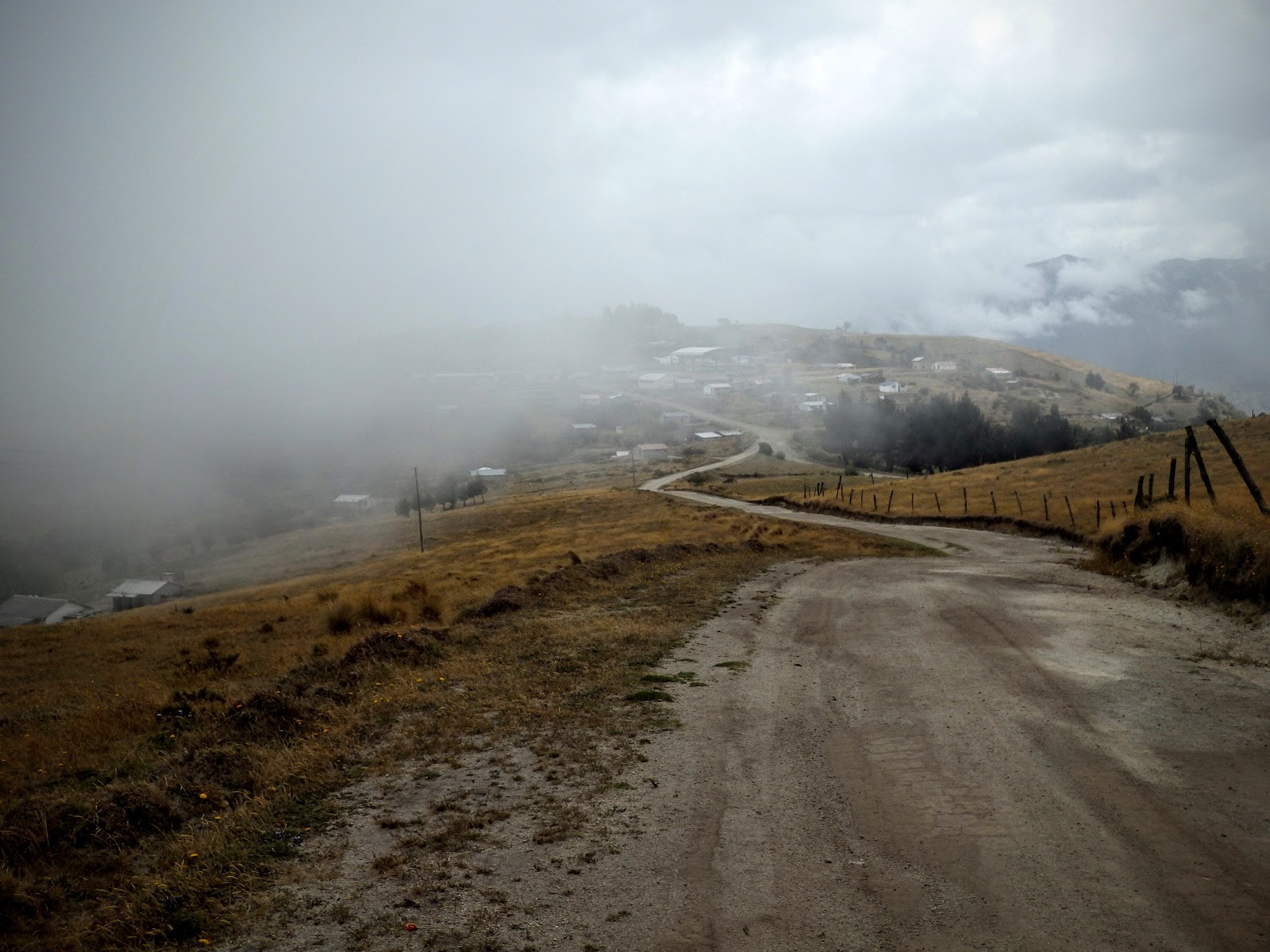
After a few hours on the bus, the winding roads changed from tarmac to dirt and the landscape became more dramatic with a massive canyon on the side of the road. We finally arrived in the little village of Chugchilán just in time to play a game of volley ball (national sport as it appears) with the locals.

Volley ball pitch
View from the village
The next day we set off for a very pleasant hike that took us through a few others high altitude villages. It was crazy once again to witness people living (so differently from us) there on the steep slopes or on the cold plateau making a living from agriculture and farming. Here there is no intensive agriculture, everyone has his little bit of land and cultivates it with its own  hands.

On the way up
On the ridge getting to the villages


Bean field

Vote 18!
The next day we decided to finish the so called Quilotoa loop going hiking from Chugchilán to Quilotoa. We left our big bags with a car and started the nice 10km hike with 1000m+ of ascent that took us all the way to the famous Quilotoa lake. An impressive volcanic crater filled with water.


The extreme hikers
Crater conquered
The famous Quilotoa lake
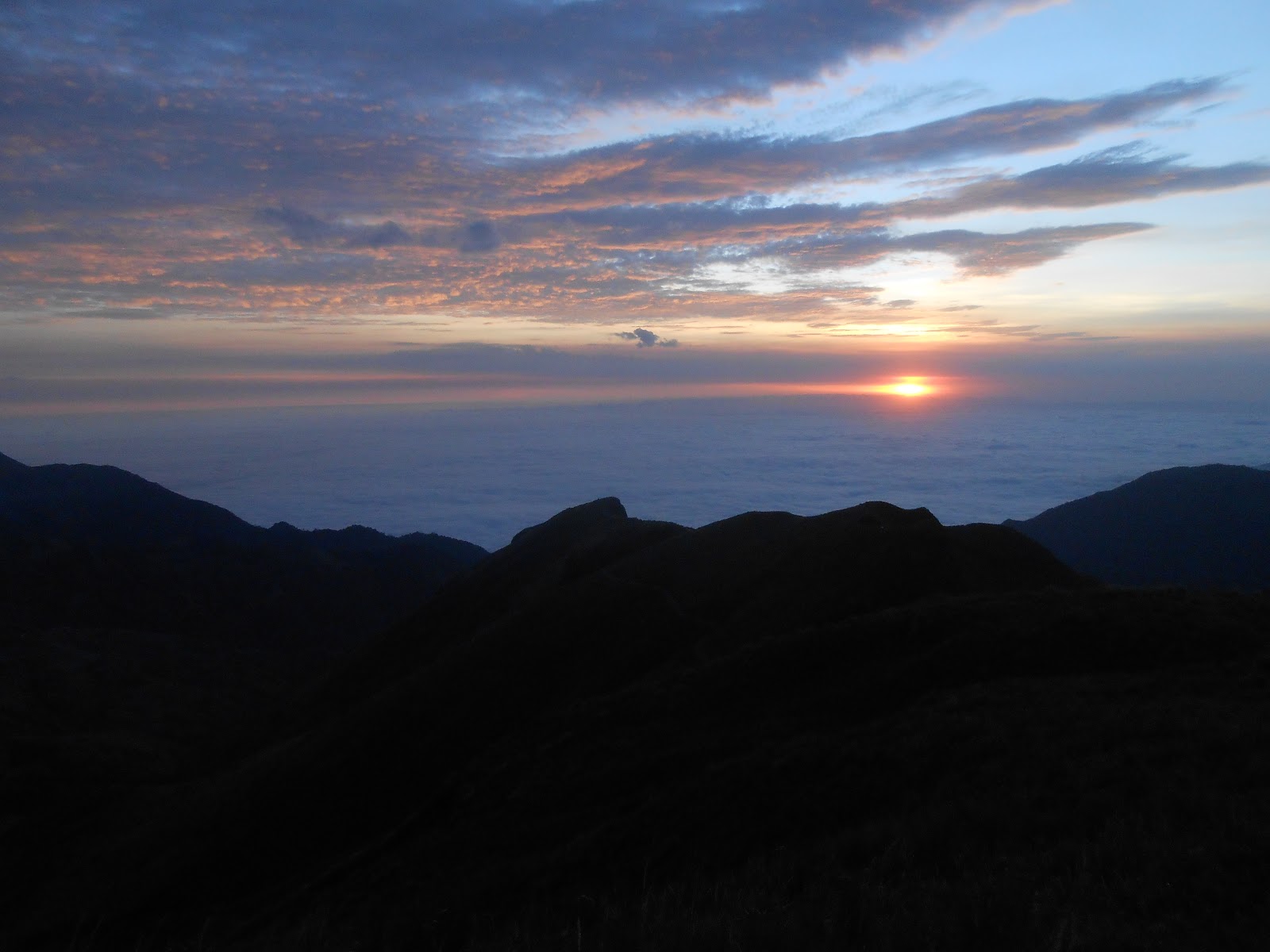
Ariving in Quilotoa, Geo and I didn't quite had enough and it was a bit too cold to stay in the rooms. So we took our gliders and went for a wander around to see if we could find a possible take off site. The wind was still too strong, but climbing up above the village offered us another perspective. A sea of cloud on the westerly side of the cordillera. It was absolutely magical! It was even possible to see the gigantic snow capped volcanoes (Chimborazo, Cotopaxi and others) on the horizon on the eastern side. We stayed there till sunset feeling like we were on an island floating above the clouds.

On thing is certain, this place has an amazing potential for paragliding and would be worth exploring in another season with less wind. If you head up to Ecuador with a glider around November I would recommend to give it a try. Apparently it is even possible to do flights from the cordillera all the way to the valley at sea level. That would make for a nice 3000m top to bottom.

lundi 7 septembre 2015

Quito

After a quick stop in Otavalo and its famous market (that we didn't find this famous) and a nice volcano crater hike; we headed up to Quito where we were going to meet up with some travel buddies and enjoy a bit more of nightlife.

Cuicocha Crater
Hiking near Otavalo
In Quito we have been advised a really cool place to stay (La Casona de Mario). An hostel that felt more like a family home. Kitchen garden and a nice living room, even a private room: full comfort.
Quito felt huge! The first taxi ride to get from the terminal to the hostel was just over an hour.
The setting of the city is impressive with high mountains all around and a view on the erupting Cotopaxi volcano in the background.
Our first impression of the city was mixed. First we had been told that Quito was a very dangerous city so we were always on our guards and secondly we felt that everybody (taxi drivers, shopkeepers...) were trying to scam us. It wasn't much money most of the time but it got a bit tiring to be constantly fighting for the real price.
Apart from this, we had a good time in Quito. It has been good to catch up with our travelling friends and enjoy a few proper parties in the downtown clubs. We even managed to get invited to a French party with loads of people from the ambassy thanks to Delphine, a French girl that we had met in Ibarra paragliding.


The highlight of our time in Quito was the climb of the Pichincha volcano that is located right over the city. For the first part we took the cable car that took us from the city (2950m) to the start of the hike (4050m). The hike was fairly straight forward, but we could definitely feel the effect of altitude as we were approaching the summit (4696m). From there we had terrific views of the city on one side and other peaks on the other side. It was funny to think that we had nearly climbed the Mont Blanc on a little afternoon stroll with only two bananas and a bit of water.

Top of the cable car with Quito in the background
The Pichincha


Behind the scene

The top

We quickly felt the need to leave for other adventures; the city had claimed too much our savings and we were desperate to experience more flying in Ecuador (too much wind in this part of the country).

Bonus:

One skin two bananas

mercredi 2 septembre 2015

Ibarra: First stop in Ecuador

After a pit stop in the border town of Tulcan which doesn't have much more to offer than a few motels and a bus terminal we headed up to Ibarra, an Andean town with flying possibilities.
Ibarra is located inbetween the border with Colombia and Quito at an elevation of 2200m. The feeling is definitely different from the Colombian valleys. Here the setting is volcanoes, flutes and ladies with hats. At first sight the people appeared to us as a lot "colder" or reserved than their Colombian neighbours. But we had been warned that Colombia was just something else.


View of the Imbabura volcano from the hotel room
The good surprise was the food. When we strolled along the market we suddenly saw  hidden behingd the fried pork a lot of green stuff that had been seriously lacking in Colombia. It seemed that Ecuador had a lot more variety to offer us. That was welcome after two and a half month of rice and plantain bananas.

Market
We quickly got in contact with the local paragliding pilots (mainly Jorge Duque from Flying Ecuador) to enquire about the flying possibilities. They told us that it wasn't the good flying season as a lot of wind was coming from the Amazon bassin hitting the Andes. Therefore we forgot our first idea to fly from the Imbabura volcano. Instead we went to fly a small site close to the town centre.
We got to the site early in the morning to avoid the strong winds. In spite of the proximity with the town centre the site offered stunning views over the valley.

View from the site
The take off proved to be difficult with some tail wind, but once in the air I managed to catch a tricky lee side thermal that got me over take off. Interesting first Ecuadorian flight with a view on the volcano and the massive valley in front. I didn't do much more than boating around in the valley and practice a few tricks, but it was fun to get airborne in a whole new setting, the true Andes.
The valley
Ibarra in the background

Bonus, bus music: